
March has arrived.
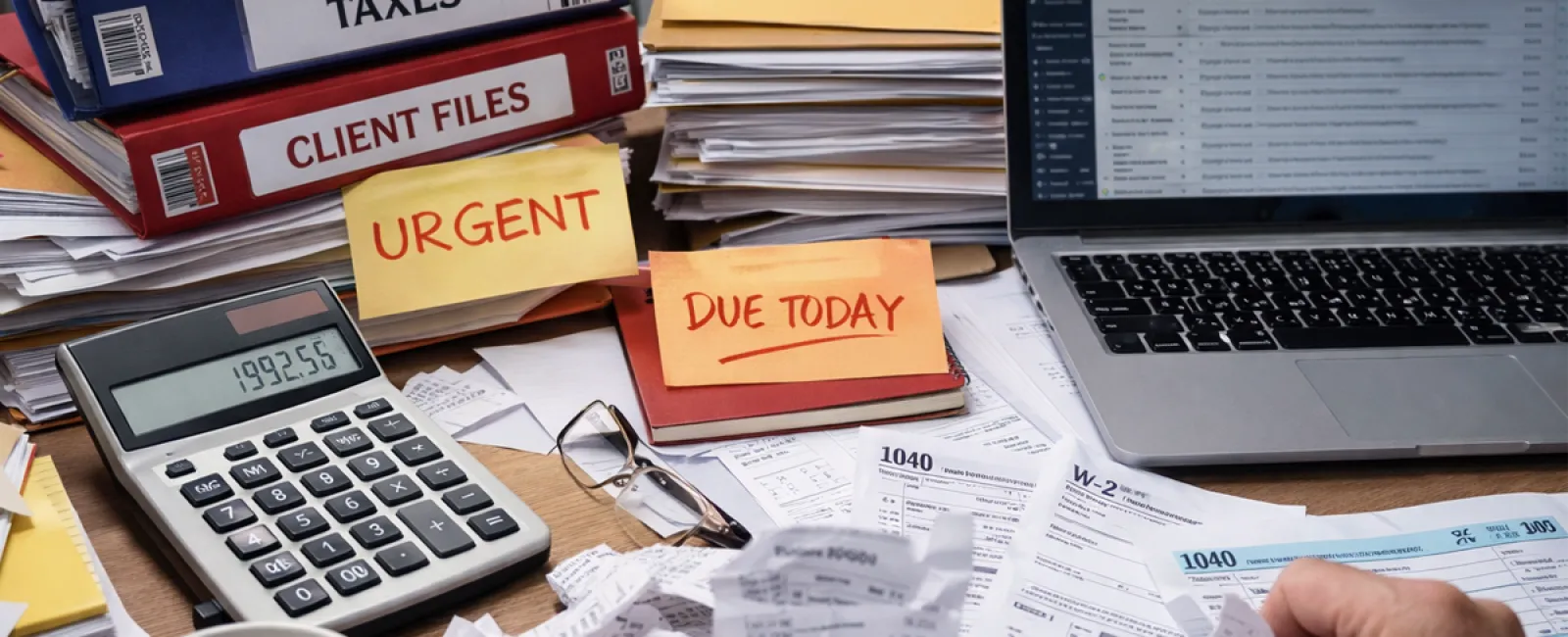
Your accounting team is overwhelmed. Bookkeepers are racing against deadlines. Emails flood inboxes, leaving no time to breathe.
Everyone is focused on just surviving the month.
This frantic scene is familiar.
But hackers see it too.
Research shows a dramatic surge in phishing scams during tax season, with March experiencing up to a 28% rise in tax-related fraudulent emails. These scams are subtle, crafted to mimic routine business communications, targeting people precisely when they are busiest.
This is no accident.
It's strategic timing.
Here's what threats lie ahead and four straightforward strategies to protect your business from becoming an easy target.
Under Pressure: The Vulnerable Supply Chain
Often overlooked:
Hackers don't just attack accounting departments.
They exploit the turbulence around you.
During tax season:
- Clients hurriedly send sensitive documents
- Staff skip normal verification to manage increased volume
- Requests like "Send me the file now" override usual protocols
- Verifications get bypassed due to overwhelming workloads
The entire workflow accelerates.
And that haste creates openings for errors.
Hackers target high-activity, not calm, steady environments.
March is prime time.
This Is What the Attacks Look Like
This isn't fiction.
It's an email indistinguishable from your everyday messages.
- An email "from your accountant" requesting you resend W-2s due to missing files
- A message from a vendor claiming bank details have changed, asking for updates
- A DocuSign request insisting a tax document needs your immediate signature
- An urgent note "from your CEO" on a business trip requesting immediate assistance
None of these raise red flags at first glance.
They resemble typical March business communications.
That's why they succeed.
Why Even the Busy Fall Victim
This isn't about negligence.
It's simply human nature.
Faced with inbox overload and looming deadlines, people skim messages, make quick assumptions, and act fast.
Scammers exploit this impulse.
Their emails are designed for hurried eyes to miss the subtle clues.
No need for recklessness; being busy is enough.
And in March, everyone is rushing.
Four Easy Strategies to Avoid Becoming a Target
The best part: no expensive software or specialized teams required.
Implementing deliberate habits during busy periods can drastically reduce your risk.
1. Confirm Payment Changes by Phone
If you receive an email about changed vendor banking info, don't respond via email.
Instead, call a verified number to confirm the change verbally.
This simple step shields your business from costly fraud.
2. Take Time with Sensitive Info Requests
Alerts of urgency should prompt caution, not haste.
If asked for urgent tax or financial documents, pause and verify.
Authentic requests understand slight delays; scammers won't tolerate verification.
3. Use a Secondary Channel to Verify Urgent Requests
For emails flagging urgency, cross-check via phone, text, or internal chat.
This quick step can prevent disastrous decisions.
Genuine urgency withstands a brief confirmation; fraudulent urgency crumbles.
4. Alert Your Team Proactively
This week, remind everyone that tax season fuels scams.
Encourage slowing down, double-checking, and asking questions when in doubt.
Empowering your team with permission to verify can save significant trouble.
Key Takeaway
Tax season is stressful enough without falling prey to scams.
These attacks aren't particularly sophisticated—they rely on perfect timing.
They depend on rushed decisions and unchecked assumptions during busy months.
You don't need a complete system overhaul.
Slowing down and verifying urgent matters is often all it takes.
That small change can make a big difference.
Quick Busy-Season Security Review
Your company might already have safeguards in place—and that's excellent.
If tax season tends to push your team into reactive mode or you're unsure about your protocols for urgent requests, consider scheduling a free 15-Minute Discovery Call for a straightforward check.
No high-pressure tactics, just a clear assessment to help you avoid common pitfalls during peak season.
If this message doesn't apply to you, please forward it to a business it might help.
Click here or give us a call at 303-415-2702 to schedule your free 15-Minute Discovery Call.


