
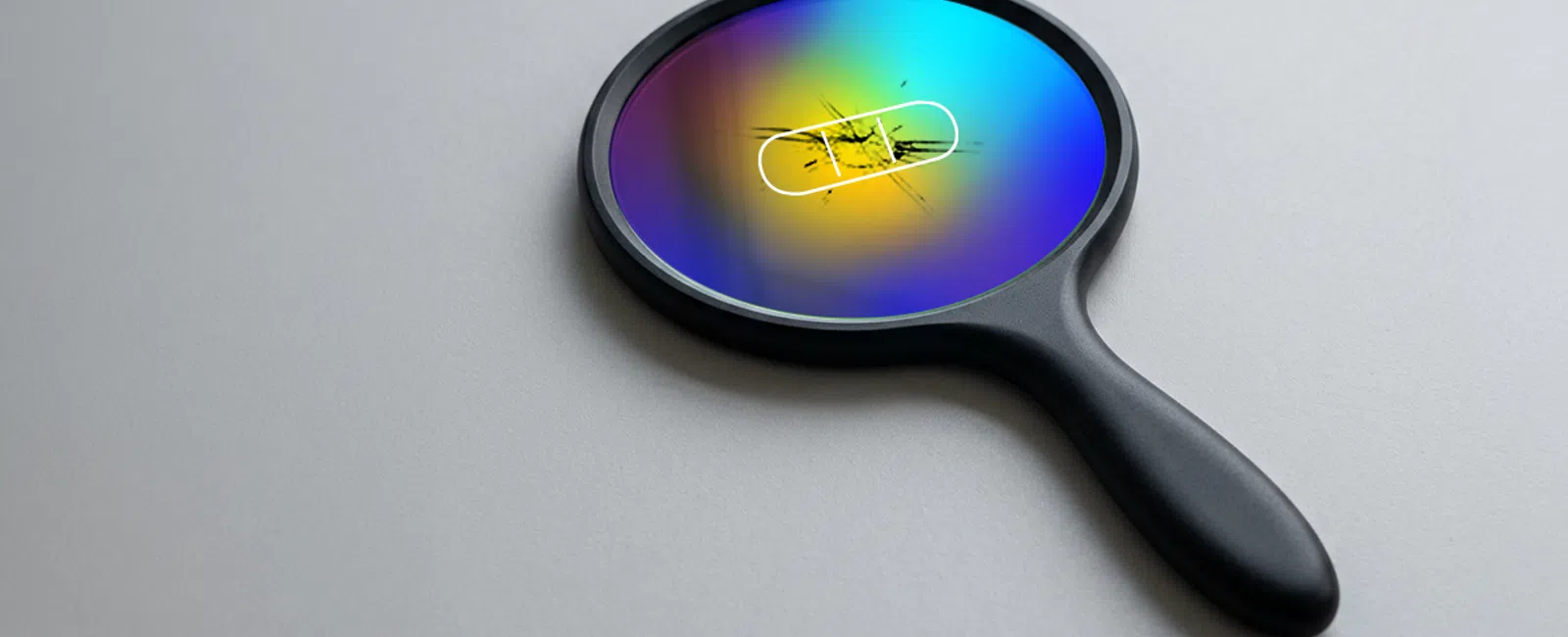
Every minute your systems are down carries a measurable price—and a hidden one that often hurts even more.
Your team sees an operational issue with a fix and a timeline. Your customers experience a business that wasn't there when they needed it, and they start asking whether it could happen again.
Even when services are restored quickly, that doubt can last far longer.
Here's how downtime affects your business beyond the outage itself—and why true recovery goes far beyond technology.
Customers begin to doubt your reliability
Customers expect your business to be available when they need it. That expectation shapes every interaction, whether they're logging in, reaching out, or waiting on a response.
When access disappears, confidence drops. What feels like a short disruption on your side can feel like a major warning sign on theirs.
That change in perception affects the entire customer experience. Delays feel longer, responses seem slower, and even minor issues become harder to overlook.
Prospects move on to competitors
Downtime doesn't just affect existing customers—it can cost you opportunities you never get to see.
Prospects often contact you when they're closest to making a decision. They've done the research, narrowed the field, and are ready to take action. That window is small, and it depends on your business being reachable.
If they can't engage with you in that moment, they usually won't wait. They choose another option and remove you from the running.
That loss rarely shows up clearly in your reports. There's no dashboard for missed conversations or a record of prospects who left during an outage. The opportunity simply vanishes.
Negative experiences spread faster than positive ones
A good experience may go unnoticed, but a bad one can travel quickly.
When customers feel unsupported during a disruption, they share that experience in conversations, peer groups, and professional communities. That message reaches people who haven't done business with you yet.
Online reviews make the impact even more visible. A few negative comments tied to a single incident can influence how new prospects judge your business long before they contact you.
Those reviews often appear right when people are comparing options, giving them a reason to hesitate before you even have a chance to respond.
There's also another consequence that's harder to measure: unhappy customers are less likely to refer you. That weakens word-of-mouth, which often drives some of your best leads.
Trust takes longer to rebuild than technology
Restoring systems does not automatically restore confidence.
After a disruption, customer expectations change. People become less forgiving of future problems and more cautious in how they interact with your business. Some may even question your long-term reliability after everything is back online.
These changes may not appear in your numbers right away, but the damage can already be underway before the metrics catch up.
Is your recovery plan ready for the moment that matters?
A recovery plan won't stop every disruption, but it will determine how effectively you respond when something goes wrong.
Your response affects how much trust you preserve. Customers remember how you handle pressure, not just how quickly your systems return.
The real question isn't whether an issue will happen. It's whether your business is prepared when it does.
Schedule A FREE 15-Minute Discovery Call with us to assess where you stand, spot gaps and walk away with a clear plan to make sure you're ready before anything breaks.


