
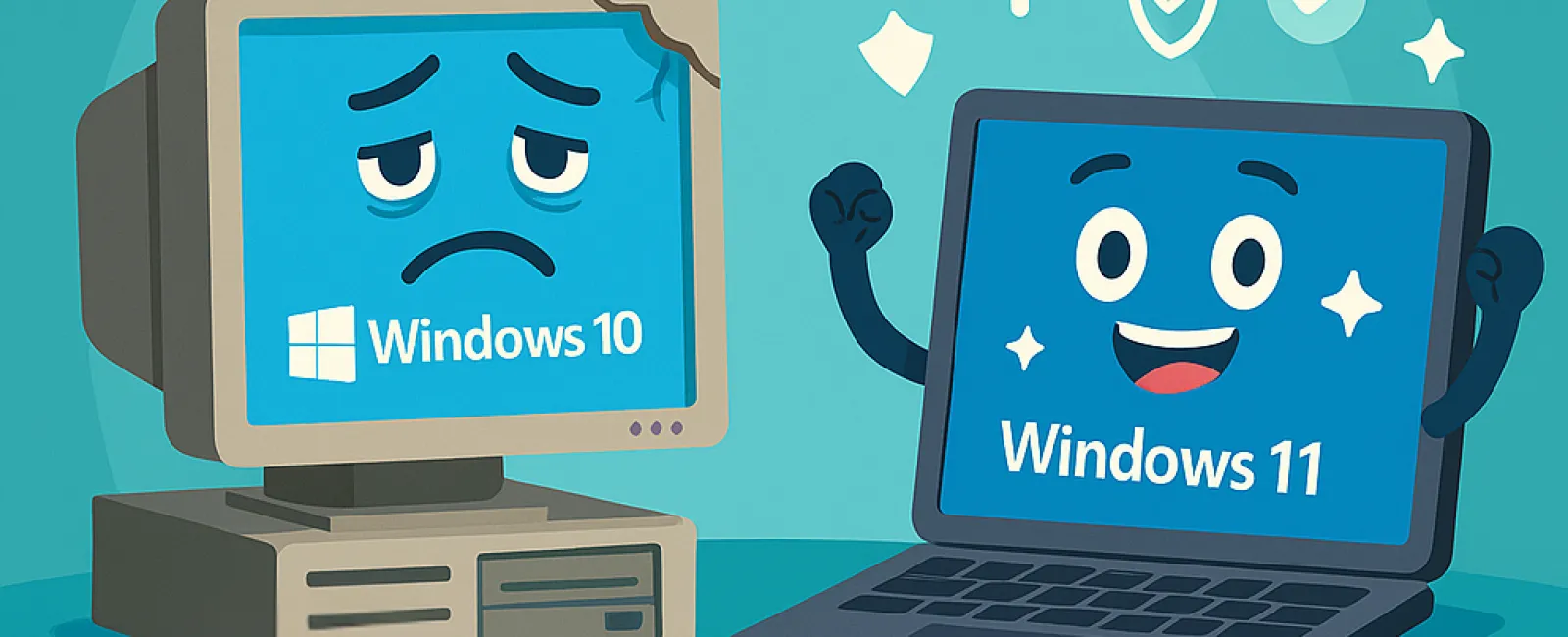
Holding onto outdated technology might seem like a smart way to save money, but in reality, it often leads to greater expenses. Using old hardware and legacy software can drain your business's productivity, inflate costs, and expose you to serious security threats.
Understanding the True Expense
Outdated technology impacts your business in multiple ways. Older systems operate sluggishly, slowing down your entire team and reducing efficiency. Additionally, these aging systems are prone to unexpected failures, causing costly downtime that disrupts your project timelines.
Security risks also escalate with obsolete software and hardware. Since they no longer receive critical security patches, they become prime targets for cyberattacks. Hackers exploit these weaknesses to access sensitive business data, putting your company at risk of data breaches and compliance violations. Staying updated with the latest technology is essential to safeguard your business.
When Is It Time to Upgrade Your Technology?
Watch for these key indicators that signal your tech needs replacement:
1. Your systems run on Windows 10 or earlier versions.
With Microsoft ending support for Windows 10 in October 2025, continuing to use it leaves your systems vulnerable to unpatched security threats. To protect your business and maintain compliance, begin planning your upgrade to Windows 11 today.
2. You repeatedly contact IT for the same issues.
Persistent crashes, slow response times, and frequent tech support calls are clear signs your equipment is failing. These problems not only frustrate your team but also significantly hinder productivity.
3. Your software doesn't work with new tools.
Legacy software often lacks compatibility with modern mobile and cloud applications, limiting your ability to adopt innovative solutions, streamline client service, and grow your business.
4. Your devices slow down daily operations.
Computers that take too long to start or freeze during critical tasks like video calls disrupt workflow and waste valuable time. Devices older than three to five years should be evaluated for performance and energy efficiency to avoid dragging down your team's output.
5. Your security measures are outdated.
If your firewall or antivirus software hasn't been updated recently, your business is exposed to evolving cyber threats. Outdated defenses are often exploited first in ransomware attacks, putting your data and reputation at risk.
Worried that upgrading will be costly? While it may seem expensive upfront, clinging to slow, outdated technology often leads to higher expenses through lost productivity, security breaches, and frequent repairs. Fortunately, there are cost-effective, strategic upgrade options that keep your business running efficiently without breaking the bank.
Partner with Experts for a Smooth Transition
If you want expert guidance to seamlessly upgrade your technology and stay ahead of obsolescence, contact our team to arrange a FREE 15-Minute Discovery Call. In this brief consultation, we'll outline the best steps to enhance your business's security, efficiency, and cost management. Schedule your appointment by calling 303-415-2702 or click here.


